Para obtener un presupuesto significativo para un sistema de montaje de techo plano, hay cinco piezas de información que puede preparar de antemano. Si falta alguna de ellas, los números que reciba podrían ser menos precisos, lo que puede llevar a un intercambio innecesario de correos o llamadas.
1. Dimensiones del panel – sea preciso, no aproximado
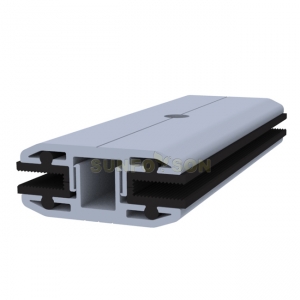
Los diferentes paneles tienen diferentes grosores de marco, y las abrazaderas deben coincidir exactamente. Una diferencia de solo unos pocos milímetros puede significar que las abrazaderas no encajarán correctamente.Esto determina si los planos son precisos y si los componentes realmente funcionarán en el sitio.
2. Cantidad de paneles – determina cuántos juegos necesita
5 paneles y 50 paneles son diseños completamente diferentes: el uso de material y los costos unitarios cambian con el volumen.La cantidad afecta directamente el “costo por vatio” y es esencial para un presupuesto preciso.
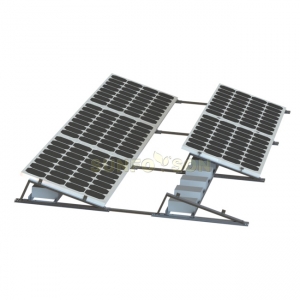
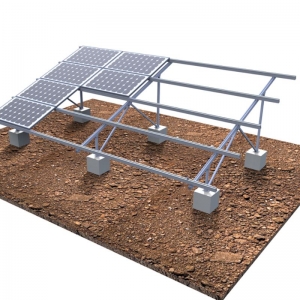
3. Ángulo de inclinación – 10° frente a 30° marca una diferencia notable en el costo
Un ángulo más pronunciado significa una mayor carga de viento sobre la estructura, lo que a menudo requiere postes más fuertes y más refuerzos.Decida el ángulo antes de solicitar un presupuesto, para que los números que reciba sean realmente relevantes para su proyecto.
4. Velocidad del viento y carga de nieve – no adivine, consulte su código local
Estos dos números determinan si la estructura necesita ser reforzada. Si no los tiene, los proveedores tendrán que usar suposiciones conservadoras, lo que puede llevar a una solución sobredimensionada y más costosa, o peor aún, una subdimensionada.Consulte primero sus normas de diseño locales para obtener un presupuesto realista y confiable.
5. Plano del sitio o diseño preliminar – sin dimensiones, el diseño no puede finalizarse
El proveedor necesita conocer el tamaño del techo, la altura del parapeto y la ubicación de obstrucciones como bases de equipos o ventilaciones. Sin un plano, solo pueden diseñar para un diseño “ideal”, pero las condiciones del sitio a menudo son diferentes.Incluso un boceto dibujado a mano es mucho mejor que nada.
Cada uno de estos cinco elementos es sencillo de preparar.Tómese 10 minutos para reunirlos y obtendrá un presupuesto más preciso y práctico, sin necesidad de ir y venir.