La industria fotovoltaica (FV) global se encuentra en una encrucijada, marcada por la recalibración de políticas y los avances tecnológicos. En Europa, el despliegue de energía solar se enfrenta a una desaceleración significativa. Según un informe de SolarPower Europe, 2025 será el primer año en una década en que las nuevas instalaciones fotovoltaicas anuales en la UE disminuyan, principalmente debido a una desaceleración en el segmento de tejados residenciales y a los desafíos de la integración en la red eléctrica. La asociación advirtió que la desaceleración del despliegue de energía solar y almacenamiento corre el riesgo de perjudicar la competitividad y la seguridad energética de la región.
Concurrently, China, the world's largest solar market, is steering its domestic industry towards consolidation. At the 2025 PV Industry Annual Conference, the Ministry of Industry and Information Technology announced plans to strengthen the management of PV manufacturing projects and accelerate the exit of outdated capacity. This move aims to curb disorderly competition and foster high-quality development.
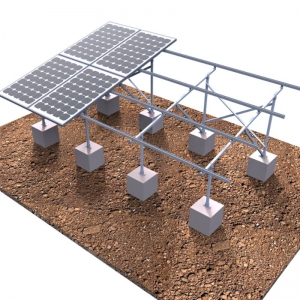
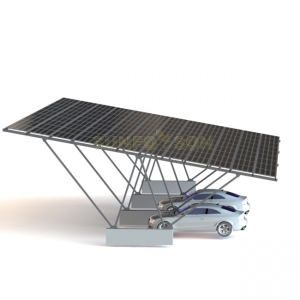
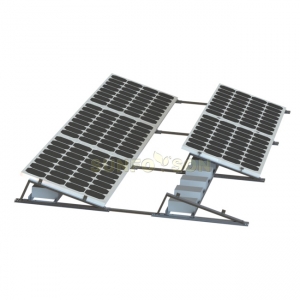
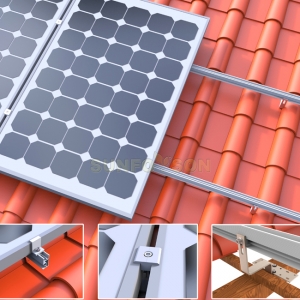
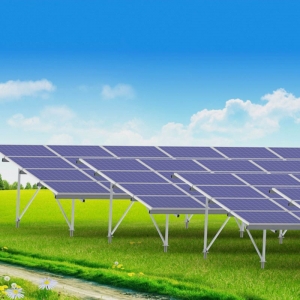
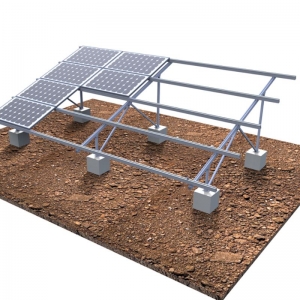
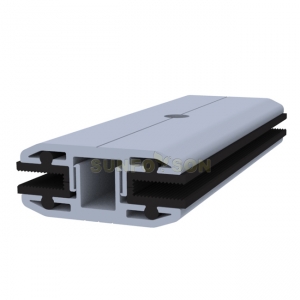
Amid these market adjustments, innovation in balance-of-system components like solar panel mounts is gaining momentum. To maximize the value of PV plants across diverse terrains, technological trends are shifting from rigid structures to flexible mounting systems that can adapt to complex environments. These next-generation solar mounting solutions offer benefits such as reduced steel consumption, lower foundation costs, and enhanced resistance to extreme weather, paving the way for more cost-effective and reliable photovoltaic power generation worldwide.