Quick Answer / Expert Engineering Verdict: Traditional BAPV (Building-Applied PV) mounting systems sit on top of an existing roof, adding dead weight and requiring localized penetrations. In contrast, a BIPV (Building-Integrated Photovoltaics) solar mounting system completely replaces the conventional roof. By utilizing specialized W-shaped structural water guide rails and EPDM sealing gaskets, the BIPV racking structure acts as the primary waterproof building envelope. This eliminates the need for corrugated steel roofing sheets, drastically reducing construction material costs while guaranteeing a 100% leak-proof commercial facility.
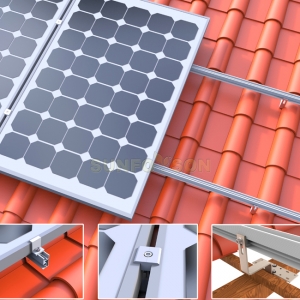
For decades, the standard method for deploying solar on commercial factories, agricultural greenhouses, and logistics warehouses has been retrofitting. Engineering, Procurement, and Construction (EPC) companies would evaluate an existing metal or concrete roof, then bolt a racking framework on top of it. While this BAPV method is effective, it presents long-term architectural challenges: roof degradation, structural overloading, and inevitable waterproofing failures over a 25-year lifespan.
As the renewable energy sector matures, massive commercial developers are shifting toward a structurally superior solution: BIPV (Building-Integrated Photovoltaics). Rather than adding solar panels to a roof, the solar panels and their underlying mounting matrix become the roof.
As a pioneer in architectural solar structures, Xiamen Sunforson Power Co., Ltd has engineered next-generation BIPV mounting solutions that merge structural integrity with absolute climate insulation. In this deep-dive technical guide, we will dissect the mechanical differences between traditional racking and BIPV, exploring how structural water channels eliminate the need for chemical sealants.
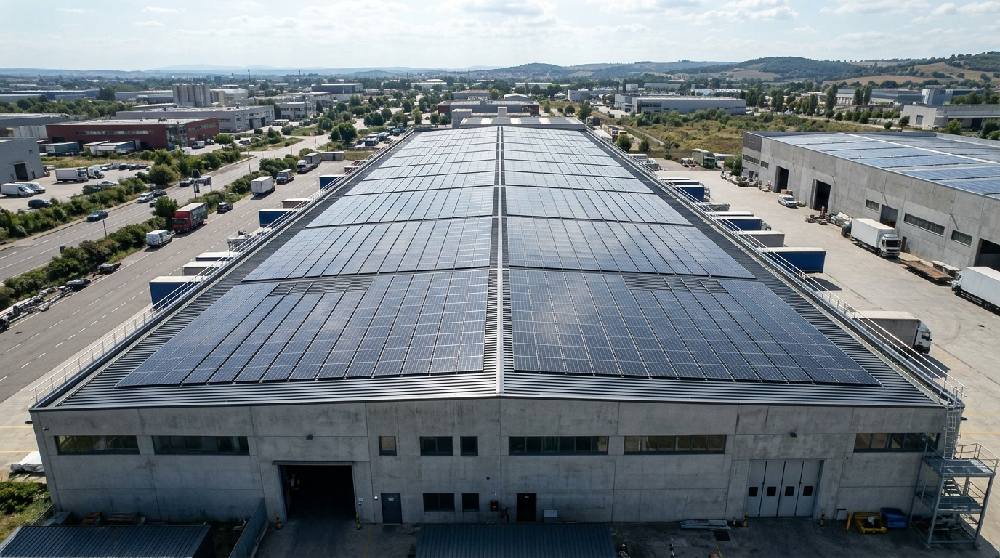
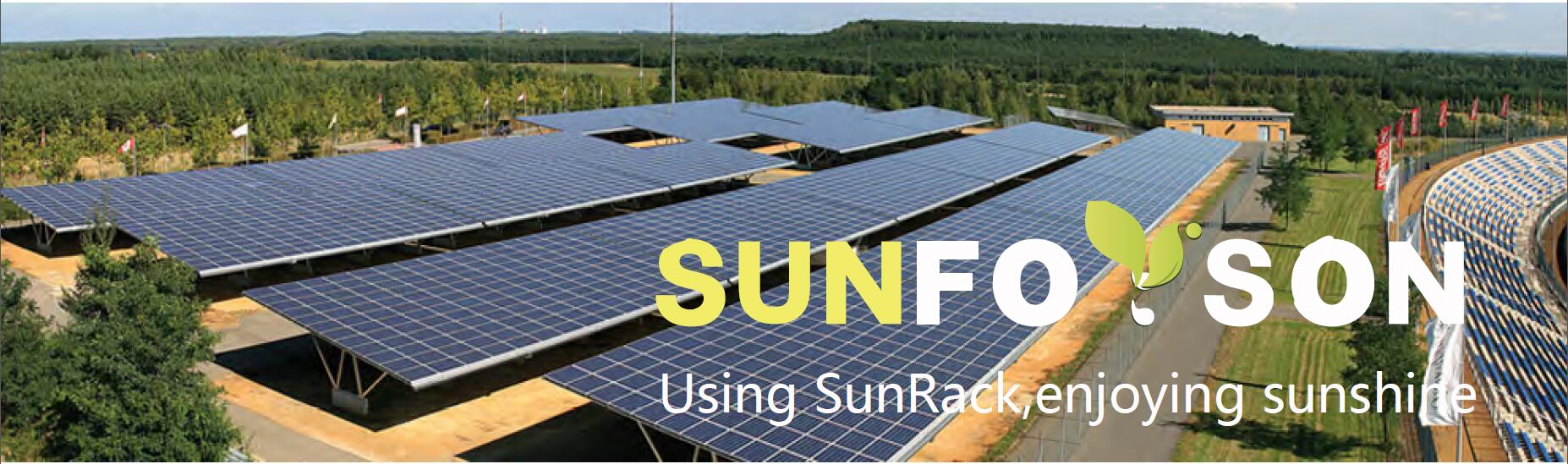
Figure 1: SunRack BIPV mounting structure acting as the primary waterproof envelope for an industrial facility
1. The Architectural Shift: BAPV Dead Load vs. BIPV Structural Integration
To understand the value of BIPV, an EPC must first analyze building physics. When installing commercial metal roof solar mounting brackets (BAPV) onto an aging factory, you are introducing secondary dead load. The building's steel trusses must now support the weight of the original tin roof, plus the aluminum solar rails, plus the heavy glass solar panels. In heavy snow zones, this combined weight often exceeds the building's maximum structural capacity, forcing developers to abandon the project.
A BIPV mounting system flips this equation. By completely stripping away the traditional corrugated metal roof, the solar panels and the heavy-duty aluminum (AL6005-T5) mounting grid are fastened directly to the building's main steel purlins. This single-layer architecture sheds thousands of pounds of unnecessary metal from the building, making it the safest engineering choice for massive span structures.
2. The Engineering Behind 100% Waterproofing: The "W-Rail" System
The most common question regarding BIPV is: "If there is no metal roof beneath the panels, what stops the rain from pouring through the gaps between the solar modules?"
Cheap, poorly designed setups attempt to solve this by filling the gaps with industrial silicone sealant. This is a fatal engineering mistake. Under the intense UV radiation of the sun and the thermal expansion of the metal, silicone will crack, peel, and fail within 3 to 5 years, leading to catastrophic internal flooding.
Sunforson’s BIPV solution relies on Structural Mechanical Waterproofing, entirely eliminating the need for chemical sealants. Our engineers designed a proprietary interlocking grid consisting of:
- Longitudinal W-Shaped Water Guide Rails: Instead of flat support rails, the BIPV system utilizes deep, W-shaped aluminum gutters that sit directly directly beneath the vertical gaps of the solar panels. Any rainwater that slips between the modules is immediately caught by these internal gutters and channeled downward by gravity.
- Transverse U-Channels: Horizontal gaps between the panels are secured with U-channel profiles that interlock seamlessly into the vertical W-rails, creating an unbroken, grid-like drainage network that ferries water safely to the outer edge of the building.
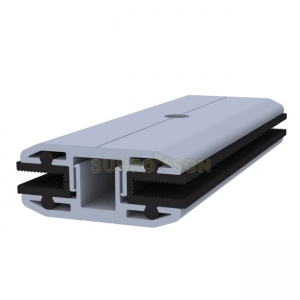
- Dual EPDM Gasket Compression: The solar panels are locked down using specialized clamps equipped with high-grade, UV-resistant EPDM rubber. As the clamps are torqued down, the rubber compresses against the glass and the aluminum rails, preventing wind-driven rain from blowing upwards into the facility.
Technical Matrix: Traditional BAPV vs. Waterproof BIPV Structure
| Engineering Parameter | Traditional Racking (BAPV Retrofit) | SunRack BIPV Mounting System |
|---|---|---|
| Waterproofing Mechanism | Relies entirely on the existing metal/concrete roof membrane. | Primary defense. Uses interlocking aluminum W-rails & gravity drainage. |
| Structural Dead Load | High (Original Roof + Racking + Solar Panels). | Low (Original roof is removed; only Racking + Panels remain). |
| Thermal Expansion Handling | Can cause shearing between the brackets and the old roof. | Integrated expansion joints absorb movement without tearing seals. |
| Primary Deployment Scenario | Buildings with brand new, structurally sound roofs. | New construction, aging roof replacements, and premium canopies. |
3. Beyond Buildings: The Synergy with Waterproof Solar Carports
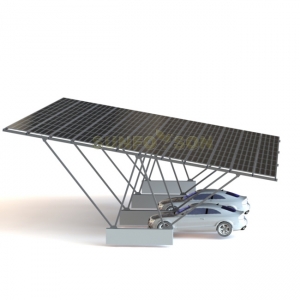
The engineering logic of the BIPV water-guide rail system is not limited to enclosed buildings. In fact, its most popular and lucrative application is in commercial parking lots.
When corporations install heavy-duty waterproof solar carport structures, they are essentially building an open-air BIPV canopy. By utilizing the exact same W-rail drainage methodology, the carport ensures that high-voltage EV charging stations and the vehicles parked beneath remain 100% dry during torrential downpours. This dual-purpose architecture transforms a depreciating asphalt parking lot into an energy-generating, premium shaded asset.
4. Heat Dissipation and Airflow Management
A common concern with BIPV systems is module operating temperature. Because the panels form a solid roof layer, there is a risk of heat building up underneath the glass, which degrades photovoltaic conversion efficiency (the temperature coefficient).
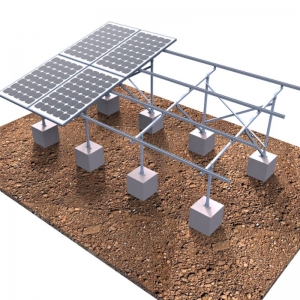
Unlike utility-scale aluminum ground solar racking that benefits from open-air wind circulation on all sides, BIPV requires intentional aerodynamic design. Sunforson engineers calculate and integrate specific ventilation corridors within the structural purlins. These micro-gaps allow rising hot air to escape naturally through convection, keeping the rear of the panels cool and maximizing electrical output during peak summer months.
Frequently Asked Questions (FAQ) for BIPV Project Developers
Q1: Does a BIPV mounting system cost more than traditional rooftop racking?
If you are retrofitting a perfectly good roof, BIPV hardware is more expensive because it utilizes heavier aluminum profiles to form the water channels. However, for new construction or replacing a rusted, leaking factory roof, BIPV is vastly cheaper. You completely eliminate the material and labor costs of purchasing and installing a new corrugated steel roof—the solar array becomes the roof.
Q2: Can I use standard framed solar panels with SunRack's BIPV system?
Yes. While some legacy BIPV systems required specialized frameless glass modules, Sunforson’s advanced W-rail and U-channel locking grid is fully compatible with standard, mass-market aluminum-framed solar panels (ranging from 400W to large 700W+ bifacial modules), drastically lowering your procurement costs.
Q3: How difficult is maintenance if a single solar panel breaks in a BIPV array?
Our modular engineering allows for pinpoint maintenance. Because the system relies on mechanical clamps and interlocking rails rather than sticky chemical sealants, maintenance crews can easily unbolt the top clamps, remove a single damaged module, and drop a replacement panel directly into the waterproof grid without disrupting the rest of the roof.
Upgrade Your Architecture with Waterproof BIPV Engineering
Stop bolting solar onto failing roofs. Transform the building envelope itself with precision-engineered, leak-proof architectural solar. Partner with Xiamen Sunforson Power Co., Ltd for structurally calculated, visually stunning BIPV and carport solutions.
Send us your building blueprints for a free BIPV structural analysis and technical quotation:
info@sunforson.com